Investments
Considering investments in infrastructure projects in Thailand?
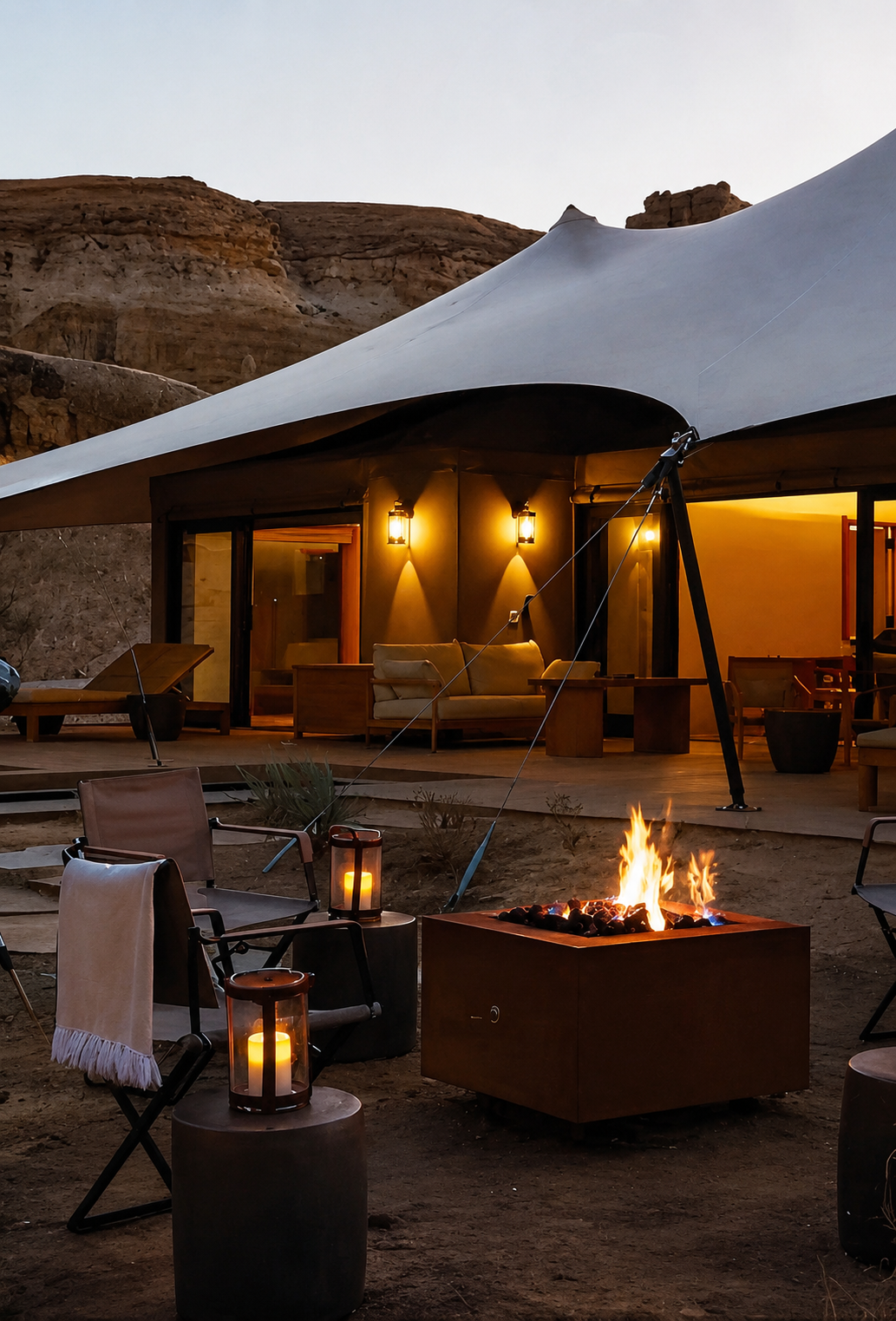
A unique offering on Koh Samui — a glamping hotel.
What is glamping?
Glamping is a modern format of resort accommodation that combines the comfort of a hotel room with a unique nature-based experience.
Unlike traditional camping, guests receive a full level of comfort:
- private bathroom;
- air conditioning;
- designer interiors;
- panoramic views;
- hotel‑level service;
- restaurants and leisure infrastructure.
Today, glamping is one of the fastest‑growing segments of the tourism real estate market. Eco‑tourism and nature‑based accommodation are showing steady growth worldwide.
Modern travellers increasingly choose:
- privacy;
- eco‑consciousness;
- unique stay experiences;
- concept‑driven projects over standard hotels.
That is why well‑designed glamping sites maintain high occupancy even outside peak season. The glamping market is undergoing a powerful structural transformation. The global market is valued at over $4.2 billion with a steady annual growth rate (CAGR) of approximately 10–12%. A key trend is the entry of institutional players, which has moved glamping from a "wild" tourism niche into the premium hospitality category.
If you are considering investing in this sector, Koh Samui is a top‑tier location thanks to low competition and its tropical climate.
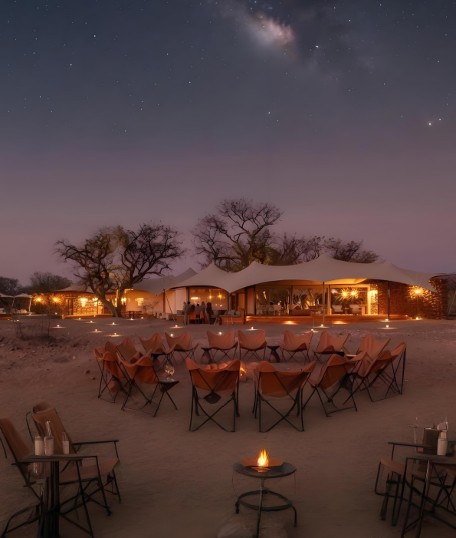
Glamping is the perfect foundation for wellness‑oriented concepts. Today's travellers are not just looking for a place to sleep — they seek a space for recovery, relaxation, and a deeper connection with nature.
We are creating a full‑fledged outdoor wellness complex built on glamping technology. Yoga pavilions, jungle‑view spa areas, thermal pools, meditation decks, and healthy‑eating restaurants all integrate seamlessly into the concept, enhancing both the project's appeal and its investment value.
Construction features & eco‑design
Given Samui's complex terrain, we apply solutions that ensure durability and a high level of comfort:
- Adaptation to challenging terrain — pile foundations, terraced placement, minimal intervention in the natural landscape.
- Eco‑design — natural materials (wood, stone, bamboo, textiles), integration with the surroundings, green roofs, natural ventilation.
-
High‑quality materials for tropical climate
Steel structures with specialised anti‑corrosion coating, resistant to high humidity and salt air.
Technical membrane fabric with water‑repellent treatment and UV protection — does not absorb moisture, does not leak, and retains its shape.
Panoramic glazing with low‑emissivity coating for a comfortable indoor microclimate.
- Ease of infrastructure connection — utilities designed for quick hook‑up to mains (water, electricity, sewage) or off‑grid solutions (solar panels, rainwater harvesting, septic systems).
Additional advantages
- Modularity and scalability — phased expansion without interrupting operations.
- Fire safety — non‑combustible and self‑extinguishing materials.
- Hurricane‑resistant design — aerodynamic shapes and robust fastenings.
- Smart management — lighting, climate control, and security systems with remote access.
This approach ensures long‑term durability, low operating costs, and a high level of guest comfort.
Value for the investor
Glamping is not just a beautiful image — it is a mathematically sound investment model with a short payback period and transparent risks.
Low entry barrier & fast start
Unlike a conventional hotel, glamping requires significantly lower initial investment. There are no heavy foundations, multi‑storey structures, or expensive finishes. The core investment goes into the unique atmosphere and comfort — which guests are willing to pay for at premium hotel rates.
Low operating costs
Modular structures, modern membrane materials, and smart engineering minimise maintenance costs. Easy upkeep and durable materials reduce operating expenses by 30–40% compared to a traditional hotel.
High rates & occupancy
Glamping is a product people pay for the experience — ocean or jungle views, the sounds of nature, and total privacy. A night in a high‑end glamping unit is comparable to a 4‑ or 5‑star hotel room, and demand is only growing. Even in low season, these properties achieve high occupancy thanks to their uniqueness.
Modularity & investment liquidity
Glamping architecture is modular. You can start with the first phase and expand gradually, adding new units without interrupting operations or disturbing guests. The configuration can easily be changed — move tents, merge zones, or adapt to new terrain or market demands.
You own assets you can take with you
Unlike concrete structures, glamping consists of mobile assets. Steel frames, fabric tents, and engineering equipment can all be dismantled and moved to another plot. If the land is on a 30‑year lease (standard for foreigners in Thailand), you do not lose your investment if you relocate. This significantly reduces political and land‑related risks.
Low competitive pressure
Thailand's glamping market is only just forming. Unlike the oversaturated traditional hotel market, you are entering a niche with minimal competition. Early projects capture maximum demand and guest loyalty.
Premium fit‑out for less
A high‑quality glamping project matches a conventional hotel in comfort — but costs a fraction to build and fit out. Designer interiors, premium sanitary ware, and panoramic glazing are all achievable without the cost of capital construction.
Transparent construction & oversight
All structural solutions are standardised, simplifying handover and eliminating hidden stages. You always know where your money is going and can participate in quality control at every step.
Additional revenue streams
Glamping is easy to integrate with other businesses — adding a bathhouse, restaurant, or yoga studio doesn't require radical structural changes. This allows you to adapt the business to current market conditions. You get a unique "build‑your‑own" hotel — from a wellness spa to an outdoor retreat.

When financial markets become unpredictable, the strongest investors turn to real assets that create value, income, and capital growth. Glamping is one of them.
Detailed investment model
Request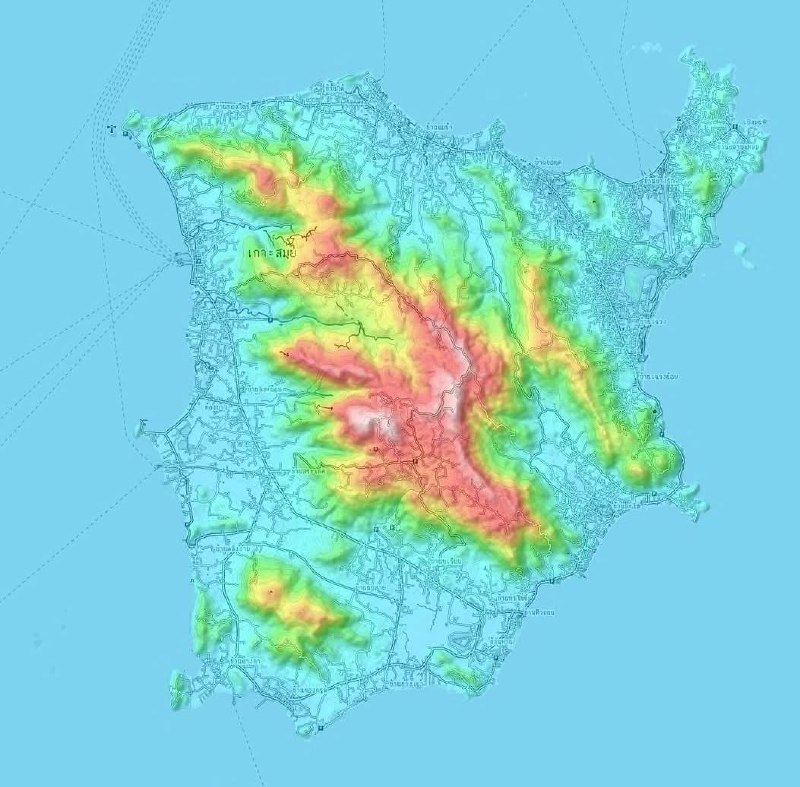
Why Samui
Koh Samui is Thailand's second most popular resort destination after Phuket. It has an international airport with direct flights from Singapore, Hong Kong, Kuala Lumpur, and major Thai cities. The island is compact — just 25 km long and 21 km wide, making every location easily accessible.
Samui has long moved beyond budget tourism. The primary visitor base consists of high‑spending travellers from Europe, the US, Russia, China, and India who value privacy, quality service, and nature.
The key driver for investors — limited supply. Strict environmental regulations and land scarcity keep the island's room supply growing at just 1% per year, while demand far outstrips supply.
Seasonality & demand distribution
- December – February — high peak. Occupancy up to 92%, maximum rates.
- March, September – November — mid‑season. Occupancy 60–70%.
- April – August — low season (45–50%, predominantly European tourists).
Room rates during high season
- 15% of hotels sell rooms at 5,000–7,500 THB per night and above.
- 44% maintain average rates in the 2,500–5,000 THB range.
International brands are entering the island with boutique hotels (80–90 keys) to avoid overloading infrastructure.